Cook smarter. Choose safer. No chemistry degree required.
Safe Kitchen Home breaks down which kitchen materials — silicone, wood, bamboo, stainless steel, plastic — are worth your trust and which ones deserve a closer look. Research-based, jargon-free, and built for everyday cooks.
What you’ll find here
Everything you need for a safer kitchen — in plain English
We dig into the research so you don’t have to. No jargon, no scare tactics — just honest, practical guidance on the materials you cook with every day.
Material Safety Guides
Know what’s in your kitchen tools. Plain-language breakdowns of silicone, wood, bamboo, stainless steel, cast iron, plastic, and nonstick coatings — including which ones deserve a second look.
Side-by-side comparisons
See how materials stack up. Quick, scannable comparison charts for the questions we hear most — like stainless steel vs. silicone, or bamboo vs. wood cutting boards.
Research-based buying guides
Shop with confidence, not guesswork. Our buying guides cut through the marketing claims and focus on what actually matters — material safety, heat tolerance, and long-term durability.
Transparent affiliate disclosures
We tell you how we make money. Affiliate links help keep this site running, but they never influence our recommendations. What you read is what we actually think.
Start here
The topics our readers come back to most
Whether you’re replacing old tools or just getting curious, these are the best places to start.
Non-toxic kitchen utensils
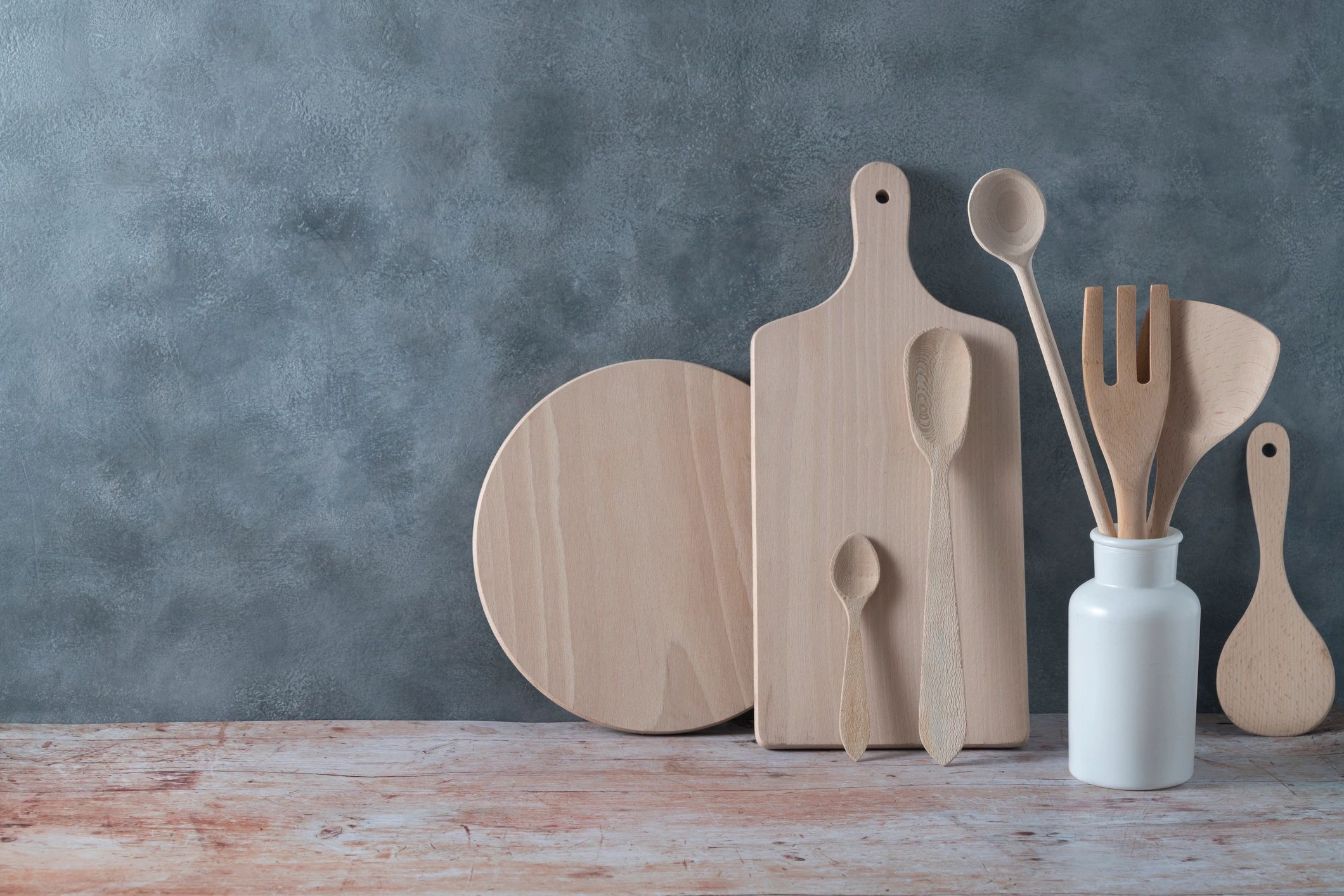
Spatulas, ladles, and turners — what’s actually safe? Not all utensils are created equal. We break down which materials hold up under heat without shedding into your food — and which ones to avoid. → Explore utensil guides
Safest cutting boards
Wood, bamboo, plastic, or composite — which wins? Each material has real tradeoffs for safety, knife wear, and cleaning. We lay it out clearly so you can pick what works for your kitchen. → Compare cutting boards
Silicone: platinum vs regular
Not all silicone is the same — here’s what to look for The difference between platinum-cured and standard silicone matters more than most labels let on. We explain what it means in plain terms. → Read the silicone guide
Microplastics & coatings
Where microplastics hide in your kitchen — and how to reduce them From nonstick pans to plastic utensils, we identify the biggest sources and give you practical ways to cut your exposure. → Explore the guide
Got questions? We’ve got straight answers.
These are the ones we hear most. For deeper dives, head to our Guides and Comparisons.
Are silicone utensils safe?
Generally yes — quality silicone is stable at normal cooking temperatures. But not all silicone is made the same. We explain what “platinum-cured” means, why it matters, and what to look for before you buy.
What’s the safest cutting board material?
It depends on what you’re prioritizing — knife friendliness, ease of cleaning, or durability. Wood, bamboo, plastic, and composites all have real tradeoffs. We compare them honestly so you can decide what fits your kitchen.
How do I avoid PFAS in kitchen tools?
PFAS show up most in nonstick coatings and certain stain-resistant treatments. We identify the biggest sources and walk you through safer alternatives — including what to look for on labels and what labels don’t tell you.
Is this medical advice?
No. Safe Kitchen Home provides educational information about materials used in kitchen tools. It is not medical or health advice. Always consult a qualified professional for health concerns.
Do “BPA-free” plastics solve the problem?
Not entirely. BPA-free doesn’t mean additive-free — other chemicals may still be present. We focus on material choices that minimize plastic contact during high-heat and high-wear cooking.
How do you choose products to recommend?
We look at material composition, heat tolerance ratings, absence of known high-risk additives, durability, and manufacturer transparency. We always explain the tradeoffs — nothing gets a free pass just because it has a clean label.
Do you use affiliate links?
Sometimes. We may earn a commission from qualifying purchases, but affiliate relationships never influence our rankings or recommendations. Our editorial opinion is not for sale.
Transparency matters
Recommendations you can actually trust
Every guide and comparison on this site is built on published material data, manufacturer disclosures, heat tolerance specs, and real-world durability — not sponsored rankings or paid placements.
Affiliate commissions help keep the site running. They never decide what we recommend.